Cybernemo will be organizing a workshop in SecSoft25

We are glad to announce that CyberNEMO is organizing the SecSoft25 Workshop in collaboration with other cybersecurity-oriented European projects!

This event will take place in Budapest in June 2025.

The SecSoft25 Workshop aims to address the evolving challenges in cyber security as business models increasingly reshape ICT services and infrastructures. With the rise of softwarization, virtualization paradigms, and their integration with physical environments, traditional security measures are struggling to keep up with sophisticated cyber threats.

We invite researchers and practitioners to contribute their insights on a wide range of topics, including:

  • Cyber-security platforms and architectures for digital services

  • Security, trust, and privacy for industrial systems and IoT

  • Monitoring, advanced data collection, and analytics

  • Virtual and software-based cyber-security functions

  • Intelligent attack mitigation and remediation

  • Machine learning, big data, and network analytics

Join us in Budapest to explore innovative solutions for enhancing situational awareness and response capabilities against cyber threats. Collaboration will help to bridge the gap between technology evolution and cyber security.

Read More

CyberNEMO 1st Advisory Board Meeting and initial feedback

The CyberNEMO Advisory Board is composed of three esteemed professionals: Enric Pere Pages Montanera (Eviden, NEMO project coordinator), John Soldatos (Professor at the University of York), and Denis Čaleta (President of the Board at the Institute for Corporate Security Studies). Their combined expertise offers a strong foundation for providing strategic guidance and technical oversight throughout the lifecycle of the CyberNEMO project.

The first Advisory Board (AB) meeting took place on March 19th, 2024. During this important session, the project coordinator and Work Package (WP) leaders of CyberNEMO delivered a comprehensive overview of the project. Their presentation focused on the project’s rationale, strategic context, and key objectives, with an emphasis on the pilot use cases that will serve as practical demonstrations of the project’s capabilities.

CyberNEMO aims to extend the existing NEMO framework, delivering end-to-end, full-stack protection across the computing continuum. The project is grounded in both state-of-the-art (SOTA) and innovative cybersecurity and privacy-preservation techniques, pushing beyond current technological boundaries. It focuses on securing a wide range of heterogeneous computing environments, including cloud, edge, and IoT systems.

The Advisory Board members acknowledged the value and potential of the CyberNEMO project, highlighting that it is well-structured, with clear milestones, ambitious objectives, and a strategically sound roadmap. They praised the use of innovative technologies, noting that while they bring exciting opportunities, they also introduce challenges that will require careful management. A particularly important success factor identified was the encryption, synchronization, and protection of data across diverse computing environments.

The consortium has taken the Advisory Board’s feedback and recommendations seriously and will integrate them into the upcoming phases of the project to refine the methodology and enhance the overall design approach moving forward.

By: Synelixis

Read More

Cybernemo 3rd General Meeting hosted in Madrid

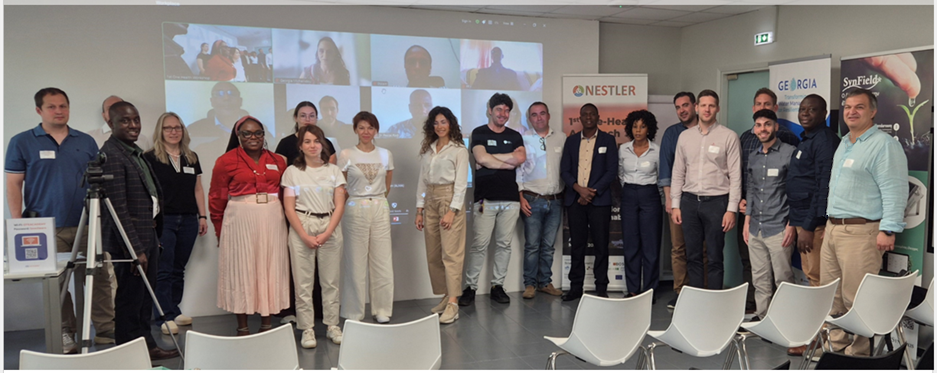
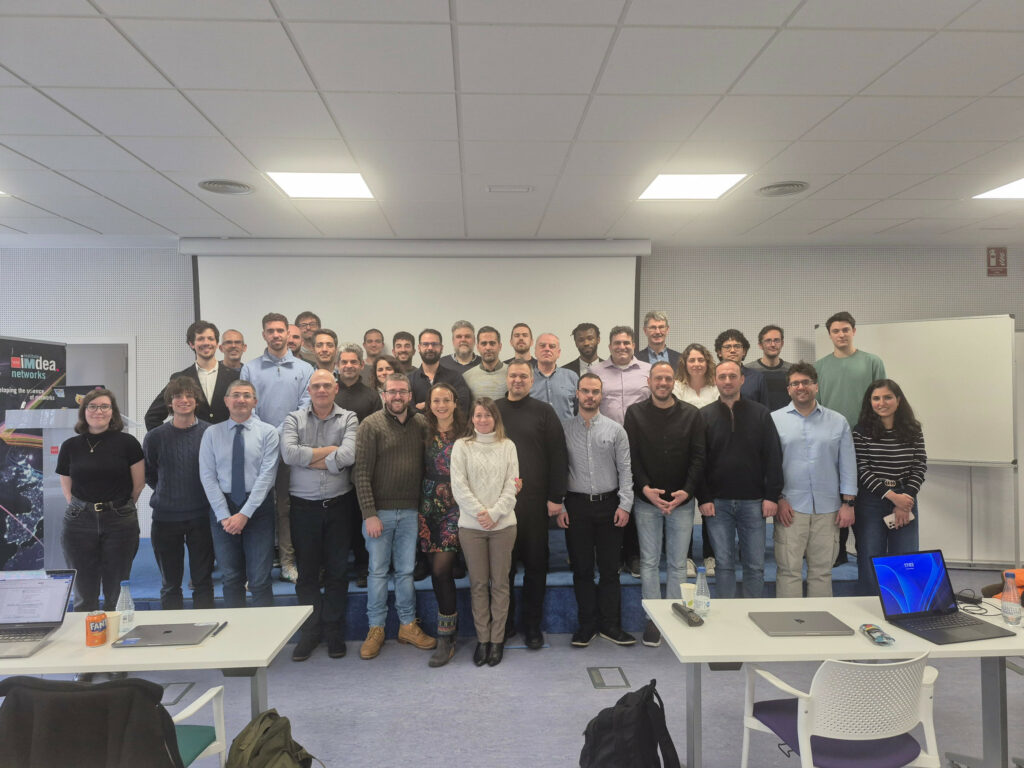
Cybernemo has been running for six months already. For this reason, partners involved in this EU project have gathered together in Madrid to celebrate their third general meeting.

The venue has focused on the strategies and challenges that the cibersecurity project needs to address in the core of its development.

TID for example presented the initial version of the Zero-Thrust Network Access (ZTNA) architecture, a more secure and efficient version of the mNCC (meta-Network Cluster Controller) network controller that we have been developing for the last two and a half years at NEMO PROJECT, another EU project.

We also had a very detailed session on Opensource and software licences given by Eclipse, a key aspect when dealing with code.

After two-day very interesting sessions all partners left to their hometowns having a clear vision of the next steps of the project.

Read More

The Importance of Cybersecurity in Today’s Digital World

In an era where technology drives nearly every aspect of our lives, cybersecurity has become a critical necessity. From safeguarding personal data to protecting critical infrastructure, cybersecurity ensures the confidentiality, integrity, and availability of our digital assets. As we increasingly rely on interconnected devices, the importance of robust cybersecurity measures cannot be overstated.

The Growing Threat Landscape

The digital age brings immense convenience but also exposes us to significant risks. Cybercriminals exploit vulnerabilities to launch attacks such as phishing, ransomware, and data breaches. In 2023 alone, global cybercrime costs were estimated to surpass $8 trillion, with predictions to escalate further in the coming years. Beyond monetary losses, cyberattacks compromise personal privacy, disrupt businesses, and even threaten national security. Critical sectors like healthcare, energy, and finance are prime targets due to their reliance on interconnected systems and sensitive data.

Why Cybersecurity Matters

Protecting Personal Data: With the proliferation of online transactions and social media, individuals’ personal information is more accessible than ever. Cybersecurity ensures that sensitive data like financial details and health records remain secure from unauthorized access.

Business Continuity: For businesses, a robust cybersecurity framework is essential to prevent disruptions caused by cyberattacks. Downtime from an attack can lead to significant financial losses, tarnished reputation, and even legal liabilities.

National Security: Cybersecurity is a cornerstone of national defense strategies. Cyberattacks targeting government institutions, defense systems, or critical infrastructure can have devastating consequences, including espionage or sabotage.

IoT and Cloud Security: The rise of Internet of Things (IoT) devices and cloud computing introduces new vulnerabilities. Cybersecurity ensures the seamless operation of smart homes, autonomous vehicles, and cloud-based services by protecting them from hacking attempts.

Building a Secure Future

Effective cybersecurity is a shared responsibility. Governments, organizations, and individuals must work together to implement strong security practices. This includes regular software updates, using multi-factor authentication, and educating users about recognizing potential threats.

Emerging technologies like artificial intelligence (AI) and blockchain are also being leveraged to enhance cybersecurity. AI can detect and respond to threats in real time, while blockchain provides a tamper-proof way to secure transactions and data.

To conclude, cybersecurity is not just an IT issue; it is a fundamental necessity in safeguarding the interconnected world we live in. Investing in cybersecurity today means protecting our digital future tomorrow.


Read More

International Fraud Awareness Week: Building Awareness to Combat Fraud

Every year, International Fraud Awareness Week (November 17-23) highlights the pressing need to combat fraud through education and awareness. In a world where financial crimes and identity theft are on the rise, this week serves as a reminder of the collective effort required to prevent fraud and safeguard assets, identities, and reputations.

The Importance of Anti-Fraud Education


Fraud can affect anyone—individuals, businesses, and governments alike. It manifests in various forms, from identity theft and phishing scams to financial misappropriation and cybersecurity breaches. International Fraud Awareness Week emphasizes the importance of understanding how fraud occurs and equipping people with tools to identify and combat it.

One of the key aspects of this initiative is education on anti-fraud practices. Whether it’s teaching employees how to recognize suspicious activity or guiding individuals on securing personal information, raising awareness is the first step in prevention. This is particularly important for businesses, as internal fraud and financial misconduct can lead to severe losses.

Addressing Identity Theft and Phishing Scams

Identity theft and phishing are among the most common forms of fraud today. Fraudsters often use deceptive emails, texts, or phone calls to steal sensitive information such as passwords or credit card details. According to recent studies, phishing attacks have surged in frequency, targeting individuals and organizations indiscriminately.

Preventing phishing requires vigilance


Avoid clicking on links or downloading attachments from unknown sources.
Verify the authenticity of communications by contacting the source directly.
Use multi-factor authentication to secure accounts.
These practices, combined with cybersecurity tools, can significantly reduce the risk of falling victim to scams.

The Role of Internal Controls

For organizations, strong internal controls are essential in preventing fraud. These controls include:

  1. Segregation of duties to ensure no single individual has unchecked authority over financial processes.
  2. Regular audits to detect anomalies.
  3. Training employees to recognize and report fraudulent activities.
  4. A culture of transparency and accountability can also deter potential fraudsters from exploiting internal weaknesses.

Why This Week Matters

International Fraud Awareness Week is not just about identifying risks—it’s about fostering a proactive mindset. By learning and implementing fraud prevention measures, we can protect ourselves and our organizations from potentially devastating consequences.Fraud prevention is a shared responsibility. Together, we can use this week to strengthen defenses, spread awareness, and build a safer, fraud-resilient society.

Read More