CyberNEMO aligns with standardization bodies, alliances, and associations

To ensure cutting-edge, secure, and future-proof solutions, CyberNEMO actively aligns with key European and international standards, alliances, and associations. These collaborations and references provide the foundation for our technological development, regulatory compliance, and seamless integration with global ecosystems.

From cybersecurity frameworks and IoT architectures to AI trustworthiness and next-generation connectivity, CyberNEMO draws from a wide range of standardization bodies and initiatives that shape the digital landscape.

➡️ Click here to explore the main organizations, alliances, and standardization efforts that guide and support the CyberNEMO project.

Read More

CyberNEMO Eclipse Research Labs

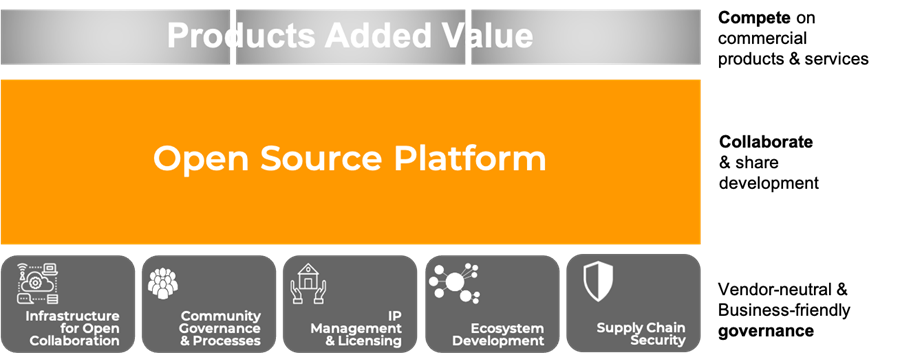
CyberNEMO open-source strategy is well integrated with the Eclipse Foundation framework for successful, vendor-neutral, business-friendly open-source. This framework (see Figure 1) is based on four main pillars: (i) infrastructure for open collaboration & development (ii) integration relevant open-source communities and business ecosystems (iii) governance for managing successful open-source projects and community building and (iv) intellectual property (IP) management that ensures IP is tracked and properly managed and open-source project results can be exploited by academic and commercial partners alike (v) improving the open source supply chain security. This framework is operationalised by the CyberNEMO open-source strategy. 

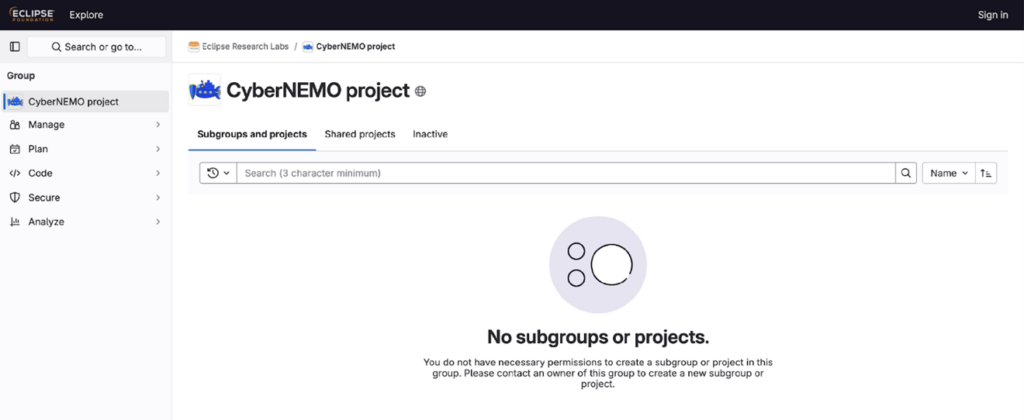
In order to achieve this vision and starting an open-source development practice, Eclipse provides an open-source repository called CyberNEMO Research Labs LINK

Read More

CyberNEMO in European CI security policy

CyberNEMO aims to generate tangible blueprints for CI and supply chain risksand contribute to the implementation of the EU Security Union Strategy and an interconnected cross-CI security roadmap. To achieve the goal, CyberNEMO will promote new work items in Standards Development Organisations (SDOs) relevant to cyber-physical security. CyberNEMO will significantly contribute to ECSO (European Cyber Security Organisation) activities, where ENG and TSG is active member and EOS (European Organization for Security), where ENG is founding members and members of the board of directors. Moreover, via PSCE (Public Safety Communication Europe Forum), CyberNEMO will share knowledge and expertise, leading to better protection of critical infrastructures against all types of threats and hazards. CyberNEMO partners INTRA will actively contribute to the ENISA coordinated Stakeholder Cybersecurity Certification Group (SCCG). CyberNEMO Standardization. TSG and UPM are co-chairing the security working group in 6G-AI where the main focus is on applying AI for cloud native applications and 6G applications in terms of automation, detection, or remediation. TSG has an active participation in the CNCF community and will work to share the main goals of the project in relation with cloud native communications, and cloud continuum.

Synelixis participates in the Alliance for AI, IoT and Edge Continuum Innovation (https://aioti.eu/)  and contributes to the convergence of AI, IoT and Edge Computing research and innovation, standardisation, and ecosystem building. 

DNV and CSL through their presence in the CEN-CENELC JC21 and ISO/IEC JTC1will be able to share their expertise and outcomes of the CyberNEMO project and therefore contribute to the working groups related to artificial intelligence and its trustworthiness.

CSL defines policy options regarding the ethics and regulatory challenges in the context of AI and cybersecurity and debates these options with policy makers and other relevant stakeholders.

UPM is participating in GAIA-X in order to develop a federated secure data infrastructure. It will be able to promote the results of the CyberNEMO project to the GAIA-X.

SYN, RWTH and INTRA are participating in the AIOTI alliance, where they will share knowledge about the deployment of IoT innovation in real scale experimentation.

Read More

Ransomware’s Rising Tide: Why Collaborative Defence is Key for SMEs

The Challenge


Ransomware, a sophisticated “digital protection racket,” is no longer just a nuisance; it’s a crippling threat, especially for Small and Medium-sized Enterprises (SMEs). These attacks, where cybercriminals encrypt data and demand payment, can halt operations, damage reputations, and even close businesses, as seen with an Italian SME that ethically refused to pay but faced temporary shutdown.
SMEs often lack the robust cybersecurity of larger firms, making them prime targets. But fighting back individually is tough.

A proposed solution

A united front. Experts argue for a collaborative defense strategy, centred around a shared and constantly evolving Body of Knowledge (BoK). This dynamic resource would pool insights on attack methods, threat actors, and effective defences, empowering everyone.
However, sharing sensitive Cyber Threat Intelligence (CTI) requires trust and compliance, especially with privacy and data protection (i.e., GDPR – Regulation EU 2016/679). This is where innovations like the ReD Service proposed by CyberSocial Lab. in CyberNEMO come in. Using smart contracts on a blockchain and robust pseudonymisation mechanisms, it enables secure, compliant CTI sharing based on explicit consent. This ensures personal data, as well as confidential and sensitive data, remains protected while fostering a collective shield.


Responsible Innovation


Recognised by the European Commission’s Innovation Radar and contributing to UN Sustainable Development Goal 16 (Peace, Justice and Strong Institutions), the ReD Service exemplifies a proactive, collaborative cybersecurity posture – essential for SMEs to navigate today’s complex threat landscape and build resilience.
An extended version of this blog is available at: https://cyberethicslab.com/en/government-data-sharing/

Read More

Synelixis Solutions S.A. in CyberNEMO

Synelixis Solutions (SYN) is an innovation-driven SME, offering products and solutions in multiple domains, including information and communication security, precision agriculture, Internet of Things (IoT), and cloud computing. SYN employs a highly specialized workforce with a large percentage of its employees having a PhD and being actively involved in research activities.


The company has extensive experience acting as the project or technical coordinator in R&I and commercial initiatives in cybersecurity, artificial intelligence, IoT, and smart agriculture. SYN is also the developer of the SynField precision agriculture solution and has built large-scale B2B commercial software platforms, including Greece’s CAP payment platform in the fintech sector.


CyberNEMO technology and the computing continuum (CC) cybersecurity software assets are key enablers for enhancing SYN’s offerings. Synelixis is CyberNEMO’ Coordinator. In parallel to project coordination, SYN is the tech leader of the smart agriculture pilot, being at the same time actively involved in the design and implementation of the project architecture and components, including Federated Machine Learning, Explainable AI and the pan-European Knowledge Sharing, risk Assessment, threat Analysis and incidents Mitigation (SAAM) collaborative platform.

By: Synelixis

Read More

Safeguarding Critical Infrastructures: CyberNEMO’s Smart Energy & Water Trial

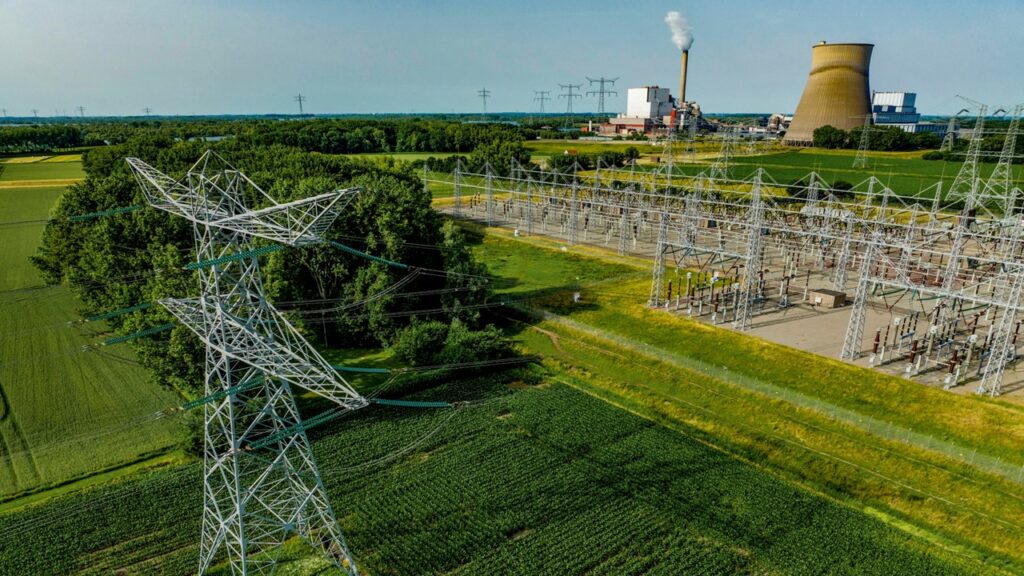
As digital technologies become more deeply embedded in our cities, the need to protect critical infrastructures, such as electricity grids and water systems, from cyber threats is more urgent than ever. In the CyberNEMO project, Trial 2, coordinated by ASM Terni, addresses this challenge through a real-world deployment in a multi-utility environment.


This trial evaluates how advanced cybersecurity solutions can protect smart energy and water systems from coordinated cyberattacks. From securing smart meters and EV charging infrastructure to protecting photovoltaic (PV) plants, power quality analyzers, and water pumps, Trial 2 replicates realistic threat scenarios with critical implications.

What makes this trial particularly relevant is its focus on:
• Cross-domain impact assessment, exploring how cyberattacks on the electricity network could disrupt water systems.
• Real-time monitoring, using data from PMUs, PQAs, and firewall logs to detect anomalies and simulate coordinated threats.
• Privacy-by-design, ensuring sensitive data collected via smart meters or firewalls remains anonymized and protected under GDPR.

All collected datasets are structured, validated, and governed under a strict data management framework, supporting both technical research and ethical responsibility. ASM’s infrastructure enables a practical and scalable setup, serving as a living testbed for advancing Europe’s digital resilience.

By ASM

Read More

CyberNEMO: Building a Responsible and Resilient Data Ecosystem for Europe’s Digital Future

As Europe’s digital infrastructure grows more complex—linking IoT, Edge, Cloud, and AI technologies—ensuring the ethical, secure, and sustainable management of data has never been more critical. In the CyberNEMO project, this responsibility is not just a technical necessity—it’s a guiding principle.


CyberNEMO adopts a robust, forward-looking Data Management Strategy designed to support innovation while fully respecting data privacy, cybersecurity, and FAIR principles (Findable, Accessible, Interoperable, Reusable). This approach enables the project to handle a wide range of data, from real-time IoT sensor streams to penetration testing logs and AI training datasets, while promoting transparency and reusability.


Key highlights of the strategy include:
• Use of trusted, secure repositories (e.g., EOSC, Zenodo) with persistent identifiers and standard metadata for traceability.
• Full alignment with GDPR and ethical AI frameworks, using anonymization, pseudonymization, and multi-layered security safeguards.
• Promotion of Open Science, including open access to peer-reviewed publications, AI/ML models, and experimental results.
• A structured and evolving data lifecycle that adapts to emerging risks, standards, and stakeholder feedback.

CyberNEMO not only ensures responsible data stewardship within the project but also creates a replicable model for European research and innovation. By combining technical excellence with ethical governance, CyberNEMO is helping shape a secure and trustworthy digital future.

By ASM

Read More

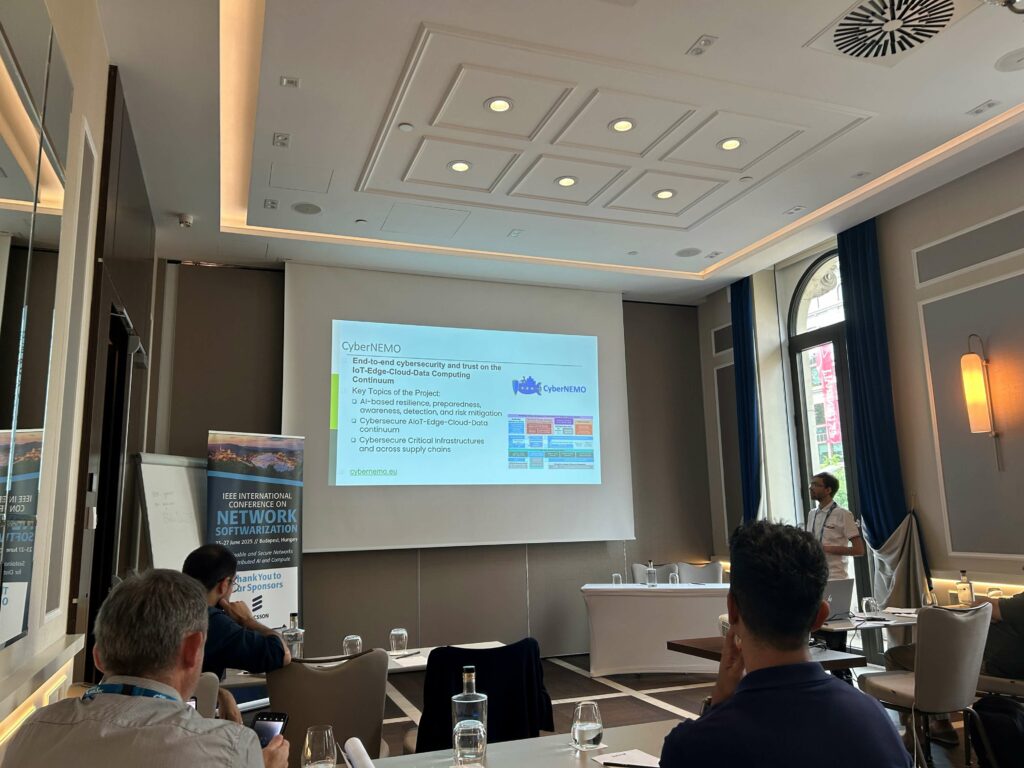
Cybernemo will be organizing a workshop in SecSoft25

We are glad to announce that CyberNEMO is organizing the SecSoft25 Workshop in collaboration with other cybersecurity-oriented European projects!

This event will take place in Budapest in June 2025.

The SecSoft25 Workshop aims to address the evolving challenges in cyber security as business models increasingly reshape ICT services and infrastructures. With the rise of softwarization, virtualization paradigms, and their integration with physical environments, traditional security measures are struggling to keep up with sophisticated cyber threats.

We invite researchers and practitioners to contribute their insights on a wide range of topics, including:

  • Cyber-security platforms and architectures for digital services

  • Security, trust, and privacy for industrial systems and IoT

  • Monitoring, advanced data collection, and analytics

  • Virtual and software-based cyber-security functions

  • Intelligent attack mitigation and remediation

  • Machine learning, big data, and network analytics

Join us in Budapest to explore innovative solutions for enhancing situational awareness and response capabilities against cyber threats. Collaboration will help to bridge the gap between technology evolution and cyber security.

Read More

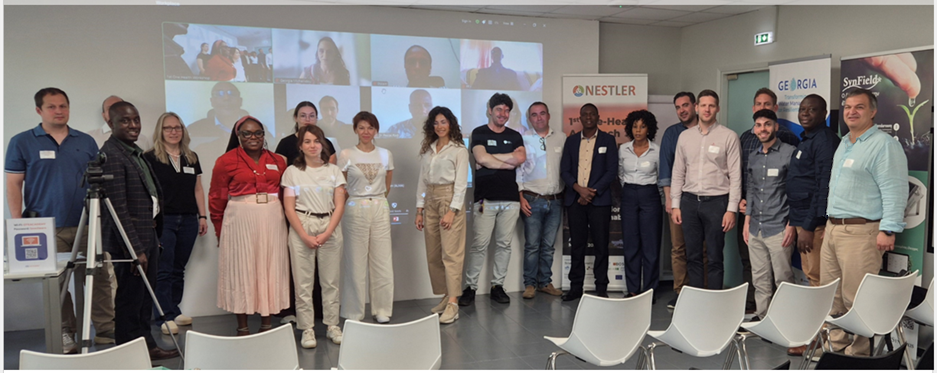
Cybernemo 3rd General Meeting hosted in Madrid

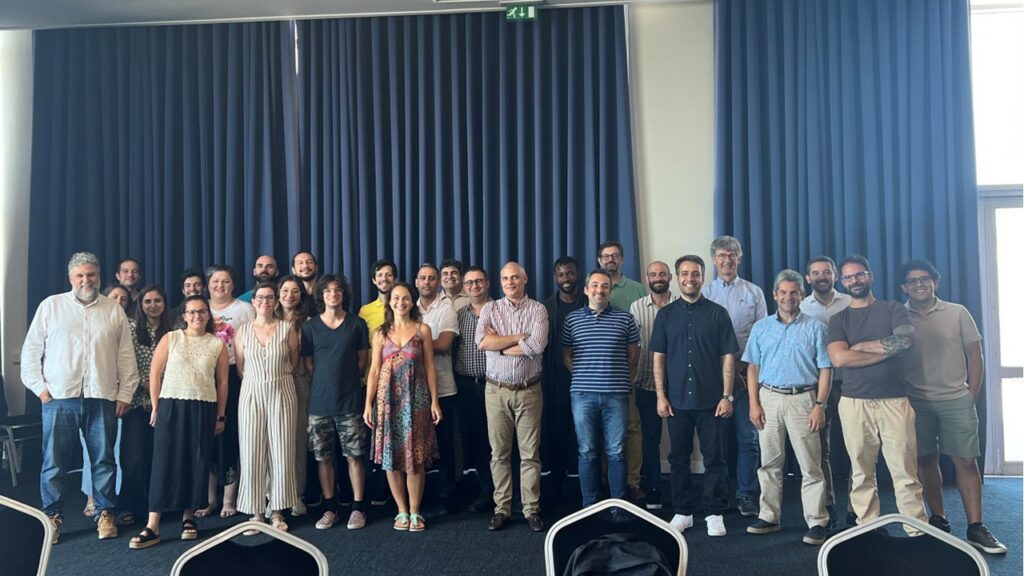
Cybernemo has been running for six months already. For this reason, partners involved in this EU project have gathered together in Madrid to celebrate their third general meeting.

The venue has focused on the strategies and challenges that the cibersecurity project needs to address in the core of its development.

TID for example presented the initial version of the Zero-Thrust Network Access (ZTNA) architecture, a more secure and efficient version of the mNCC (meta-Network Cluster Controller) network controller that we have been developing for the last two and a half years at NEMO PROJECT, another EU project.

We also had a very detailed session on Opensource and software licences given by Eclipse, a key aspect when dealing with code.

After two-day very interesting sessions all partners left to their hometowns having a clear vision of the next steps of the project.

Read More

Innovation at Universidad Politécnica de Madrid: The Role of GATV in Cybersecurity

The Universidad Politécnica de Madrid (UPM) is one of the most prestigious technical universities in Spain and Europe, renowned for its excellence in engineering, architecture, and technology-related disciplines. Since its establishment in 1971, UPM has grown into a leading institution in higher education, research, and innovation, attracting students from across the globe. The university offers a diverse range of undergraduate, graduate, and doctoral programs, providing high-quality education and fostering cutting-edge research opportunities.

UPM’s academic programs are meticulously designed to equip students with a solid blend of theoretical knowledge and practical skills, preparing them to become highly competent professionals and future industry leaders. The university’s distinguished faculty consists of esteemed scholars and experts who offer a rigorous academic experience with a strong focus on real-world applications.

Within UPM, the Visual Telecommunications Applications Group (GATV) is a renowned research group dedicated to advancing multimedia technologies across various applications, including virtual reality, immersive media, and multimedia communication. GATV has established a strong reputation for research excellence, contributing to numerous high-impact publications in leading international conferences and journals. The group actively participates in national and international research projects, focusing on areas such as 3D modeling and reconstruction, visual analytics, multimedia communication, and immersive media technologies.

Read More