
AI: The New Digital Watchman
In the fast-moving world of the internet, new threats appear every second. Traditional security tools are like a library catalog—they work great for finding things we already know about, but they struggle with anything new. Artificial Intelligence (AI) has changed the game by acting less like a catalog and more like a highly trained digital watchman that never sleeps and learns as it goes. It contributes in monitoring, risk assessment and mitigation.
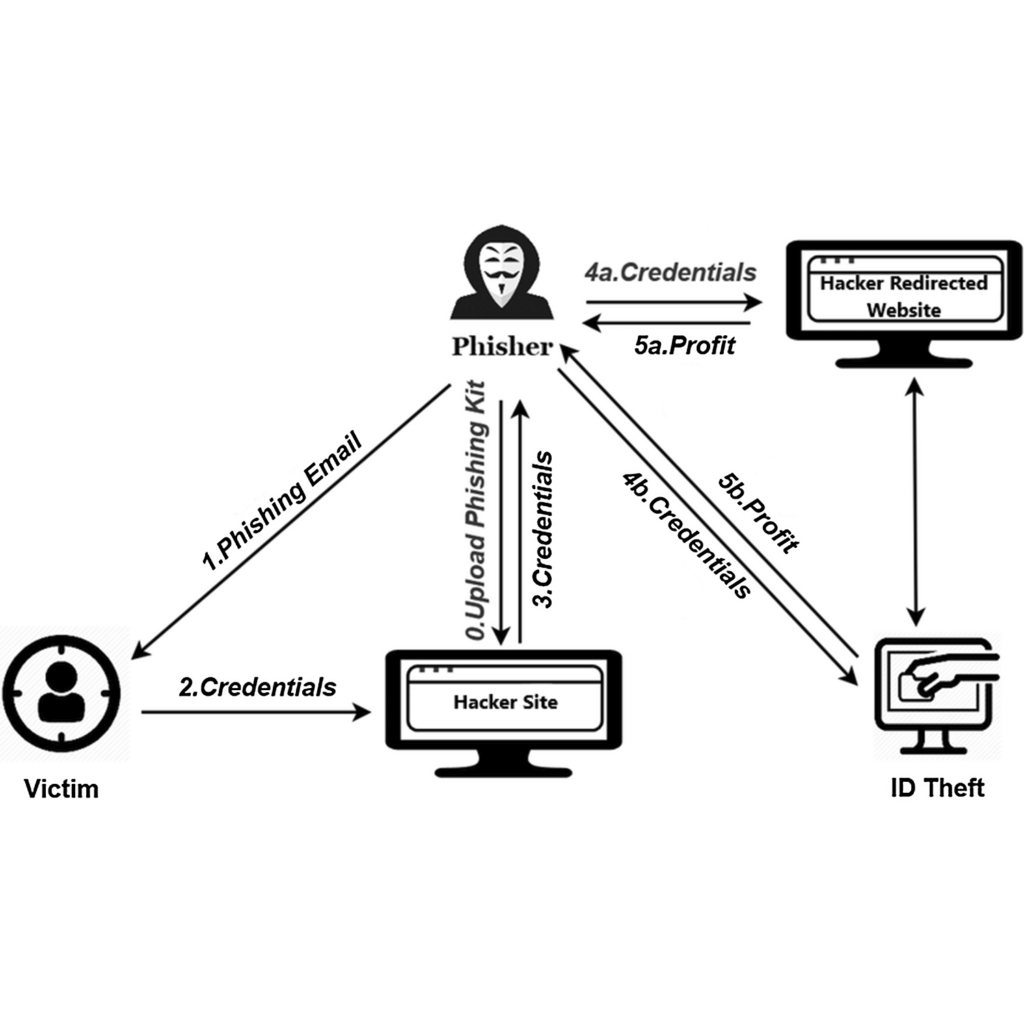
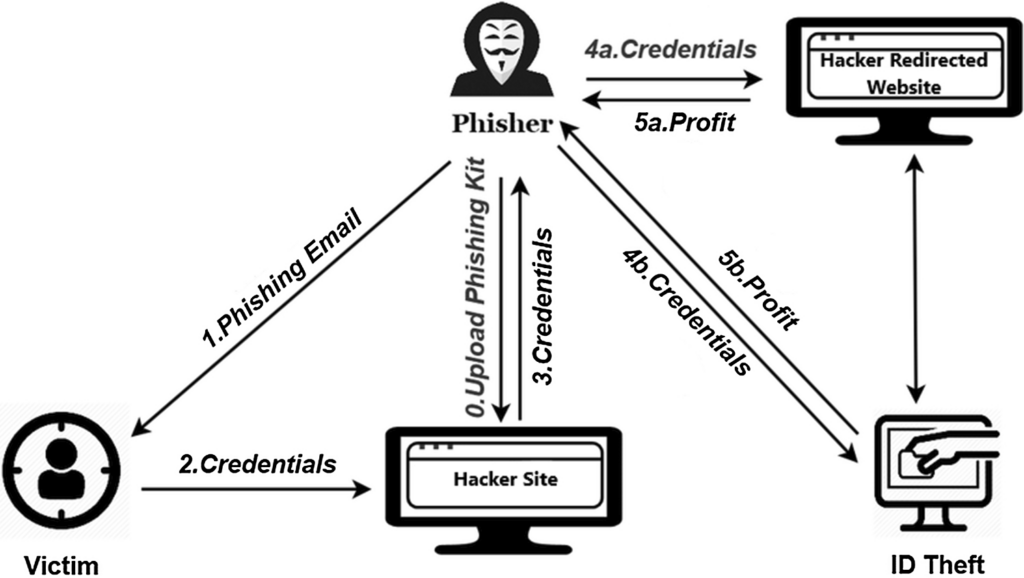
In monitoring it acts like the guard that never blinks. AI’s greatest strength is its ability to watch millions of events at once without getting tired. It can perform behavioral analysis and phishing detection. In behavioral analysis instead of just looking for “bad files,” AI looks for “bad behavior.” If an employee who usually only checks email suddenly starts downloading the entire company’s client list at 2:00 AM, the AI flags it as an anomaly. In phishing detectionAI can read the intent behind an email. It can spot the subtle signs of a scam—like a slightly misspelled link or a tone that is “too urgent”—and stop the email before it ever hits your inbox.
In risk assessment it can find the weak spots. Before an attack even happens, AI helps companies understand their “Cyber Risk”—basically, a score of how likely they are to be hacked. Often prioritizing is what matters. A large company might have thousands of software “vulnerabilities” (tiny bugs). AI can scan all of them and tell the security team, “These three are the most dangerous because hackers are currently using them to attack other companies.”. It can also support simulating attacks. AI can run “digital drills,” pretending to be a hacker to find paths through a network that a human might never think to check.
Finally, in mitigation, it can act at machine speed. When an attack happens, every second counts. AI allows a company to respond at “machine speed” rather than waiting for a human to wake up and read an alert. It can contribute in automated containment. If AI detects a virus spreading on one laptop, it can instantly “quarantine” that device, cutting its connection to the rest of the office so the virus can’t jump to other computers. Moreover, it can provide smart recommendations. If a threat is detected, AI can provide a “playbook” for the human staff, saying: “I’ve blocked the suspicious IP address. I recommend you reset these three user passwords and check this specific server for damage.”
While AI is fast, it isn’t perfect. It can sometimes mistake a legitimate heavy workload for an attack (a “false positive”). This is why the best cybersecurity is based on the human-AI partnership and uses a “Human-in-the-loop” approach. The AI handles the “heavy lifting” by filtering out 99% of the noise, allowing human experts to focus their energy on the most complex and dangerous 1% of threats.
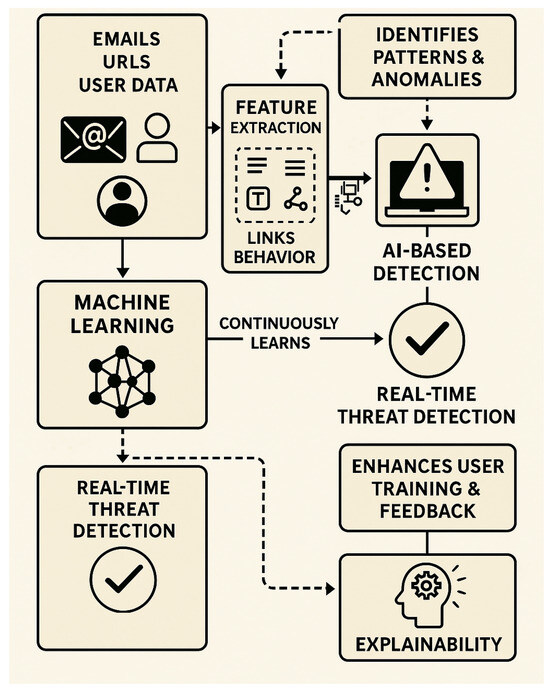
Compared to traditional methods for security, AI-powered security offers many advantages. Instead of looking for known signatures (like finderprints) it looks for unknown patterns that may indicate suspicious behovior. Instead of requiring manual updates to stay current, it learns and adapts to new threats automatically. Moreover, it does not become overwhelmed by too much data; instead, it gets better the more data is processes.
AI has turned cybersecurity from a game of “catch-up” into a proactive defense, allowing us to predict and stop threats before they can do real damage.